RS
Careful assessment
We begin with a garment and a clear assessment of its condition, construction, and usable material. That helps set realistic expectations before any quote or design approval.
We remodel, alter, and upcycle clothing with a practical eye for fit, fabric, and long-lasting wear. Each project begins with a clear review of the garment and what it can realistically become.
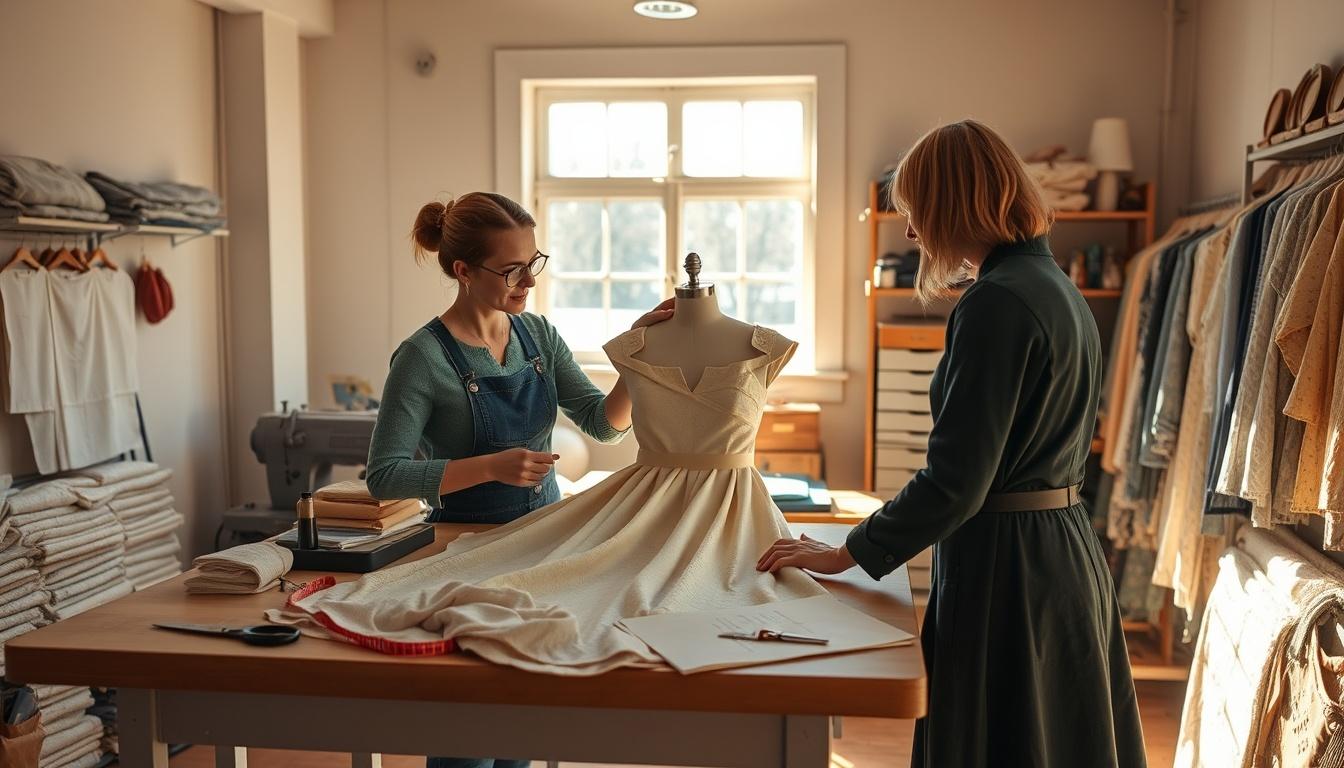
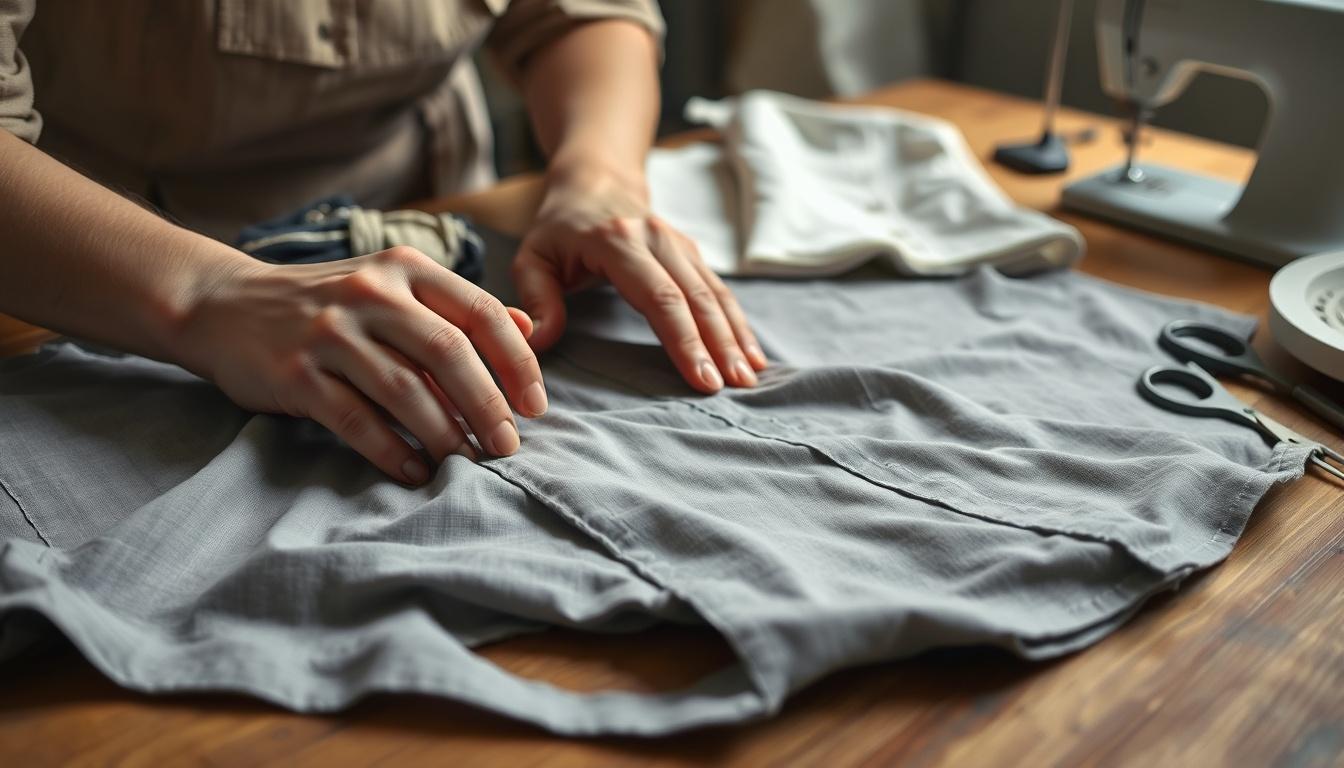
Stitch Perfect focuses on tailoring and clothing alterations with a strong emphasis on garment remodelling and upcycling. We work with pieces that deserve a second life, from everyday clothing to vintage items and garments with personal meaning.
Our approach is straightforward: assess the fabric, discuss the design direction, confirm the scope, and then carry out the work with attention to construction and finish. The result is clothing that feels considered, wearable, and true to the original material.
Every project is guided by the same principles: honest assessment, practical design, and careful work with the materials already in hand. That is how we approach alterations, redesigns, and upcycling alike.
We begin with a garment and a clear assessment of its condition, construction, and usable material. That helps set realistic expectations before any quote or design approval.
Our remodelling work aims to reuse as much of the original piece as possible while respecting the limits of the fabric. When extra materials are needed, they are reviewed separately.
Fit matters, but it depends on the garment itself. We check construction and fitting limits first so the finished work reflects what the fabric can reliably support.
We keep the process clear from inquiry to collection, with consultation, approval, and review built in. That makes each project easier to follow and easier to plan.
The workshop grew from a simple idea: clothing should be adapted, repaired, and reshaped whenever the fabric still has something to offer. That mindset still guides every project we accept in Sainte-Anne.
From the beginning, the focus has been on making thoughtful changes rather than forcing a garment into a result it cannot support. We look at seams, structure, wear, and available fabric before suggesting a direction.
Clients often come to us with a clear goal and a garment that needs careful evaluation. We explain the likely scope, discuss any limitations, and agree on the concept before work begins.
This process helps us create remodelling and alteration work that is realistic, useful, and well matched to the original piece. It also supports a more sustainable way of dressing by keeping good garments in use for longer.